
1. Introduction
1.1. Executive Summary: Navigating the UK Job Landscape in 2025
Success in securing a role in the UK labour market requires preparation that extends beyond rehearsing generic interview answers. The modern UK interview process, particularly in 2025, necessitates a sophisticated blend of cultural fluency, technical readiness, and specific behavioural frameworks. For both UK residents and international applicants seeking work, effective interview preparation must be contextualised within the current employment environment.
As of June to August 2025, the estimated UK employment rate for people aged 16 to 64 stood at 75.1% . While the labour market remains dynamic, the number of vacancies showed a decrease, totalling 717,000 in July to September 2025 . This high level of employment combined with competitive application rates means that candidates must demonstrate exceptional preparation to stand out. It is important to note that statistical data for the UK labour market, particularly estimates from the Labour Force Survey (LFS), should be considered cautiously and alongside other sources, as the LFS estimates are currently designated as official statistics in development. Mastering UK job interview preparation is, therefore, paramount to converting application success into employment reality.
1.2. The Interview as a Two-Way Evaluation
A job interview is fundamentally a meeting organised by a recruiter to evaluate a potential employee for prospective engagement. However, successful candidates view this process as reciprocal: a two-way evaluation between the candidate and the interviewer. The interviewer aims to assess how well the candidate can perform the job and integrate into the organisation's culture and team. Simultaneously, the candidate should utilize this time to gather essential information about the work environment, the team, and the company’s alignment with their personal goals.
Being invited to an interview usually signifies that the candidate has met all the essential criteria and most of the desirable criteria listed for the role, confirming their qualifications. Consequently, the interview focuses heavily on validating the claims made in the application materials and assessing how the candidate can practically implement their skills and experience. The way a candidate acts and answers questions is crucial, and comprehensive preparation provides a great advantage in presenting personal and professional competencies effectively. The preparation process involves critical research and planning focused on maximizing the candidate's personal skills and presentation.
2. The Definitive 6-Step Guide to UK Interview Success

2.0. Mastering Your UK Job Interview Preparation: A Six-Step System
Succeeding in a UK interview relies on a systematic approach that addresses research, cultural fit, application alignment, questioning frameworks, logistics, and follow-up. This section details the steps necessary to ensure maximum readiness for how to succeed in a UK interview.
2.1. Step 1: Deep Research and Commercial Awareness
A. Beyond the 'About Us' Page
Effective interview preparation requires going far beyond reading the basic 'About Us' section of a company website. While research on the company’s products, services, and core values is necessary to answer traditional questions like "What do you know about our company?", contemporary UK employers expect candidates to demonstrate a deeper, more critical understanding.
Research must delve into the company’s ethical practices, sustainability initiatives, and community involvement. Reviewing any recent legal issues, ethical concerns, or scandals is essential, not only to be prepared for difficult questions but also to allow the candidate to make an informed decision about whether the organisation genuinely aligns with their own values . The company’s mission statement communicates its culture, values, ethics, and fundamental agenda. By conducting this deep research, candidates ensure that their personal mission statement—defining their strengths and what motivates them, is compatible with the employer’s purpose. Researching values such as Excellence, Responsibility, Respect, and Sustainability, which frequently feature in UK business values surveys, allows the candidate to link their aspirations to the company's core tenets, demonstrating long-term commitment. For international candidates, this alignment is particularly crucial for demonstrating genuine interest in developing a long-term career within the UK structure.
B. Demonstrating Commercial Awareness
A key differentiator for candidates seeking roles in corporate, financial, and analytical sectors is the demonstration of Commercial Awareness. This involves understanding the industry landscape, the company's competitors, and the external economic and technological forces affecting the business.
Candidates must be prepared to discuss topics such as who the CEO is, the company's recent share price, or the biggest challenges the firm faces over the next few years. Recruiters may assess Commercial Awareness by asking candidates to discuss a recent, relevant business story and explain how that news could potentially affect the business or its clients.
Examples of commercial thinking include having provided excellent customer service, marketing an event or service, or negotiating an agreement. It is insufficient merely to state an interest in the industry; candidates must provide concrete examples of how they have previously used commercial knowledge to achieve a better outcome. Thorough research on the company's digital transformation, adoption of new technologies, and methods for managing remote teams should form a core part of this preparation, positioning the candidate as forward-thinking.
2.2. Step 2: Cultural Fluency and Professional Etiquette
A. The Art of Subtle Confidence
In UK professional settings, communication is characterized by a "direct yet polite" style. Clarity and conciseness are highly valued, requiring candidates to find a balance between assertiveness and diplomacy. Candidates, particularly those from international backgrounds where communication may be louder or more expressive, are advised to scale back overly familiar behaviour and maintain a professional demeanor. Listening skills are equally crucial, as they demonstrate respect and full engagement in the conversation.
B. Decoding British Understatement
One of the most critical aspects of succeeding in a UK job interview is achieving cultural fit. A study by the Chartered Institute of Personnel and Development (CIPD) indicated that 73% of UK hiring managers view cultural fit as a decisive factor, often exceeding the importance of technical skills alone.
This reliance on cultural fit means that candidates must be skilled in reading between the lines. British interviewers often employ subtle conversational cues and indirect feedback. A phrase such as, "That's an interesting approach," might mask skepticism or signal that the interviewer needs a stronger, better-evidenced argument. The candidate must immediately recognise this subtle cue as an invitation to elaborate or defend their position with further concrete examples.
Punctuality is absolutely non-negotiable in the UK; arriving even slightly late can immediately brand a candidate as unreliable. Rapport-building, often through small talk about the weather or local sports, is essential for establishing a comfortable professional dynamic.
C. Physical Presentation and Conduct
Professional etiquette requires candidates to project approachability and confidence. When introducing themselves, candidates should maintain eye contact and offer a warm smile. A firm (but not "hand-crushing") handshake is traditional and should last only a few seconds. Candidates must avoid touching the interviewer and should wait to see how the interviewer addresses them before reciprocating with a first name or formal title.
During the interview, maintaining eye contact and sitting up straight communicates honesty and openness. Candidates must avoid fidgeting. Showing enthusiasm through appropriate nodding and smiling conveys genuine interest in the role and the company. It is highly advisable to steer clear of sensitive conversational topics, including politics, religion, or personal commentary on the interviewer’s appearance, and never bad-mouth former colleagues or employers.
2.3. Step 3: CV Alignment and Proactive Visa Disclosure
A. Tailoring Your Narrative
Preparation requires carefully reviewing the job description and the submitted CV or application form. The candidate must ensure that their experience and answers directly reflect the skills and experience the employer is seeking. If the candidate possesses limited formal work history, they should prepare examples derived from outside of work, such as volunteering or hobbies, to demonstrate required skills. For instance, discussing cooking can demonstrate organization and adherence to instructions, while involvement in team sports highlights collaboration and communication.
B. Highlighting Transferable Skills
Transferable skills—abilities that function across different industries—are highly sought after by UK employers, particularly when hiring for roles where specialized technical skills can be taught on the job. For career changers, these skills are often viewed as equally important as technical competencies.
In high demand in the UK in 2025 are skills such as written, verbal, and digital Communication; Problem-Solving and analytical thinking; Time Management, including prioritizing and meeting deadlines; and Adaptability or Learning Agility. Adaptability, the ability to quickly adjust to new systems or environments, is essential in the fast-changing UK economy. Candidates who lack direct experience should prepare specific examples from side projects, previous roles, or volunteering to prove these transferable skills.
C. Proactive Visa Status Management (Critical for International Candidates)
For international candidates, confidence regarding their immigration status is key to removing potential employer uncertainty. Many application forms explicitly ask if the applicant is authorized to work in the UK or requires visa sponsorship.
It is highly recommended for international applicants to proactively include their visa status or eligibility in their CV or cover letter, using concise and positive language . If the employer raises the matter during the interview, the candidate must be prepared to confidently explain their current visa status, any potential visa options (such as the Skilled Worker Visa), and their full commitment to complying with all UK visa requirements. For those planning a long-term career, explicitly stating that the return or move to the UK is permanent reassures the recruiter regarding retention. International experience should be strategically framed to highlight valuable competencies like flexibility, cross-cultural communication, and initiative, which are valuable in a global business environment.
2.4. Step 4: The Question Preparation Masterclass (UK Interview Questions 2025)
A. Traditional Questions (Foundation)
While advanced techniques are gaining popularity, traditional questions remain common. Candidates should prepare concise, tailored, and positive responses for questions such as "Tell Me About Yourself," "What Are Your strengths/weaknesses?" and "Why Are You Leaving Your Current Job?".
When answering "Why Have You Applied for This Job?" or "Why do you want to work for us?", the candidate must provide specific reasoning that links their attributes and experience directly back to the company’s mission statement or specific achievements. Focusing on the company’s international reputation, commitment to growth, or how the role specifically matches the candidate’s skills demonstrates genuine research and motivation.
B. Competency-Based (Behavioural) Questions
Competency-based interviews, also referred to as structured or behavioural interviews, are systematic formats where each question targets a specific skill required for the role. These questions predict future performance by exploring a candidate’s past behaviour in specific circumstances. Employers often favour these questions to ascertain whether a candidate possesses key competencies such as leadership, problem-solving, resilience, conflict resolution, or commercial awareness.
The mandatory framework for answering these questions in the UK is the STAR method: Situation, Task, Action, and Result. This technique provides clarity of thought under pressure and ensures the answer is structured and complete. Candidates must focus exclusively on their individual contribution in the Action phase by using "I" statements, as interviewers want to know what you did, not what the team did collectively.
C. Strength-Based Interviews (Emerging Trend)
Increasingly used by UK employers, Strength-Based Interviews focus on the activities that intrinsically motivate and energise a candidate, moving beyond what the candidate can do (competency) to what they love doing (strength). These interviews are particularly useful for applicants with limited prior work experience, as they assess natural aptitude and potential.
Strength-based questions often sound more personal, asking: "What energises you?" "What do you like to do in your spare time?" or "Do you prefer the big picture or the small details?". The central purpose of this questioning style is to find people whose natural abilities align perfectly with the demands of the job, theoretically leading to greater job satisfaction, higher performance, and better staff retention. Candidates must ensure they articulate why an activity is a strength, not merely stating a skill. For instance, explaining "I love problem-solving through data" is superior to merely stating, "I'm good at Excel". Authentic enthusiasm and positive body language are vital when answering these types of questions.
2.5. Step 5: Logistics, Attire, and Technical Excellence
A. Face-to-Face Preparation and Attire
For face-to-face interviews, punctuality is mandatory, and arriving slightly early is standard practice. Candidates must bring essential documents, which typically include photographic proof of identity (such as a passport or photocard driving licence) and proof of address (such as a utility bill or bank statement dated within the last six months). For specific roles, such as those at Jobcentre Plus, candidates may be required to bring originals of these documents. Evidence of essential qualifications, as specified in the job description, should also be prepared.
Professional attire shows respect for the tradition of the UK workplace. While many modern sectors (like tech or creative industries) adopt a smart casual approach, traditional fields such as law, banking, and senior corporate positions often still mandate dark grey or dark blue suits. When in doubt about the company culture, it is always advisable to dress slightly more formally than the perceived average, demonstrating respect and professionalism. Given the unpredictable UK climate, carrying an umbrella or raincoat is practical preparation.
B. Technical Setup for Virtual Interviews
Virtual and telephone interviews are increasingly commonplace, requiring specific technical preparation. Before the session begins, candidates must test their microphone, camera, and internet connection thoroughly. Familiarity with the conferencing software (including how to mute, turn off the camera, and potentially share a screen for practical tasks) is essential.
The interview environment must be quiet, well-lit, and free of distractions to project professionalism. During the interview, candidates should aim to maintain eye contact by looking directly into the camera lens, not at the image on the screen, to convey confidence and engagement. Maintaining a warm tone and positive body language is particularly important in virtual formats, which can often feel flat compared to in-person meetings.
2.6. Step 6: Professional Follow-Up and Reflection
A. The Thank-You Note Etiquette
After the interview concludes, sending a short thank-you note is essential UK etiquette; it demonstrates politeness and reinforces enthusiasm for the position. Email is the preferred method, as it allows the hiring manager to review it at their convenience. The note should be concise, professional, and express gratitude for the opportunity, while avoiding language that could appear overly insistent or desperate.
B. Post-Interview Patience
Before concluding the interview, the candidate should take the opportunity to ask about the next steps and the anticipated timeline for a decision. Knowing this window helps manage expectations and determines the appropriate timing for any further follow-up. If a timeline was provided, the candidate should wait until that period has fully elapsed before sending a follow-up email requesting an update. During this waiting period, it is strongly advised to continue applying for other roles to keep options open and manage the anxiety of waiting for a response. Candidates should utilize UK Job Hunters to explore further visa-friendly opportunities while awaiting a decision.
C. Analytical Reflection
Every interview, regardless of the outcome, is a valuable learning experience. Immediately after the interview, candidates should write down all the questions they were asked and critically analyze their answers to identify areas for improvement. This structured reflection allows candidates to refine their responses and develop stronger examples for future opportunities. Should a candidate receive a rejection, it is important to respond professionally, thanking the hiring manager for the opportunity. Maintaining professional composure leaves a positive final impression, potentially keeping channels open for future roles.
3. Advanced Question Strategy and Frameworks (Deep Dive)
3.1. Deep Dive: Mastering the Competency (STAR) Framework
The competency-based interview format hinges on the principle that past behaviour is the most reliable predictor of future performance. Therefore, the structure of the answer is as vital as the content. The STAR method provides this necessary structure, ensuring that the candidate provides concrete, verifiable evidence rather than generalized claims.
The STAR Components Revisited
The Civil Service, among many other UK bodies, utilizes frameworks like Success Profiles that emphasize behaviours and experience, which are often assessed using STAR-style interviewing. Candidates must execute each stage of the STAR method with precision:
- S (Situation): Candidates must set the scene clearly, providing context about who, when, and where the event took place. This description must be brief but specific.
- T (Task): The candidate must define the specific goal or responsibility they were faced with in that situation. This task should directly relate to a competency required by the job.
- A (Action): This is the most crucial part. The candidate must detail the specific steps they personally took to address the task. It is essential to use "I" statements exclusively to take ownership of accomplishments, focusing on the problem-solving process and the challenges faced and overcome.
- R (Result): The candidate must conclude by detailing the measurable outcome of their actions. An effective Result not only describes the positive outcome (e.g., customers were grateful, objectives were met) but also includes reflection—what the candidate learned and what they might do differently next time.
The deliberate structure of STAR prevents candidates from drifting into vague generalizations and forces them to provide compelling, evidence-based narratives.
Table 1: The STAR Method Framework Checklist
|
STAR Element |
Goal |
Key Focus |
Essential Citation Check |
|
Situation |
Set the scene clearly and concisely. |
Context: Who, When, Where (10–15 seconds). |
Be brief but specific. |
|
Task |
Explain your responsibility or goal within that situation. |
The specific challenge you were faced with. |
Align task directly with job competencies. |
|
Action |
Detail the specific steps you personally took. |
Use "I" statements exclusively; focus on problem-solving and challenges overcome. |
|
|
Result |
Describe the positive outcome and what you learned. |
Quantifiable results and reflections/lessons learned/what you would do differently next time. |
Key Competencies Sought
UK employers routinely test for a defined set of key competencies across various sectors. These include, but are not limited to: adaptability, commercial awareness, communication, conflict resolution, decisiveness, independence, leadership, problem-solving, organisation, and resilience. Candidates must ensure their prepared STAR examples are diverse and provide evidence against these sought-after skills.
3.2. Strength-Based Interviews: The Motivation Assessment
Strength-based interviewing represents a forward-looking approach gaining traction in the UK job market, often used alongside or instead of traditional competency checks. Unlike competency questions, which assess current performance and rely on rehearsed answers, strength questions explore a candidate's future potential by identifying activities they perform regularly, do well, and are intrinsically motivated by. This method is particularly insightful for recruiters as it is more challenging for candidates to prepare and allows them to gain a genuine insight into the candidate's personality and aptitude.
Preparation Strategy and Execution
Preparation for this format involves deep self-reflection, identifying activities that genuinely energize the candidate, regardless of whether they are academic, work-related, or social achievements. When responding to these questions, candidates must articulate the why behind their enjoyment, linking the activity to their motivation. For example, instead of merely stating they are good at organizing, a candidate should explain that they enjoy "the process of planning and making sure tasks flow smoothly".
Candidates should prepare a bank of four to six diverse examples that showcase problem-solving, teamwork, and leadership across different contexts (work, hobbies, volunteering). While similar themes may be revisited, repeating the exact same example for multiple questions diminishes the answer’s impact.
A common challenge in strength interviews is handling perceived weaknesses. When asked about tasks they enjoy the least ("What tasks are always left on your to-do list?"), the candidate should be honest but strategic. It is acceptable to state, for instance, that one finds "repetitive tasks tiring," provided this is immediately compensated for by linking it back to a strength, such as focusing on improving processes or delegating mundane tasks, thereby demonstrating a capacity to manage the weakness.
3.3. Assessing Values and Cultural Fit
The shift towards hiring for cultural fit has institutionalized the use of value-based questions. These questions seek to determine if a candidate’s personal ethics, communication style, and work preferences align with the organization’s stated mission and day-to-day operations.
Interviewers may ask questions such as, "Which of our company's core values do you most/least identify with?" or "Describe the kind of work environment in which you feel the most productive and happy". Successfully answering these questions requires having completed Step 1 (Deep Research), where the candidate identified the company's core values—such as Commitment, Diversity and Inclusion, or Technology Driven.
Candidates must articulate how their own principles (derived, perhaps, from a personal mission statement) mirror or complement the company’s purpose. A company’s mission statement is the heartbeat of the business, dictating its culture, ethics, and fundamental goals. By familiarising themselves with this mission, candidates can demonstrate that they are not only skilled but also genuinely excited to contribute to the company's long-term direction, improving the likelihood of a successful cultural integration.
4. The International Candidate’s Playbook and Key Logistics
4.1. Navigating UK Cultural Nuances (Specific Guidance)
International candidates must pay close attention to the subtleties of UK professional communication, as these often differ significantly from norms in other countries. The UK preference for politeness, conciseness, and diplomacy can lead to conversational ambiguity if the candidate is not prepared to interpret understatement.
Table 2: UK Communication Decoded: Understanding Subtlety
|
Phrase Heard (UK Interviewer) |
Literal Meaning |
Actionable Interpretation |
|
"That's an interesting approach." |
Neutral observation. |
Often masks skepticism; requires immediate clarification, defense, or further evidence (use STAR). |
|
"With all due respect..." |
Formal politeness. |
Indicates strong disagreement or introduction of a necessary counter-argument. |
|
"Could you perhaps give us an example?" |
Gentle request for evidence. |
You must use the STAR method immediately to provide concrete behavioural evidence. |
|
"We'll be in touch soon." |
Standard closing remark. |
Do not follow up immediately; wait for the agreed timeline or 5–7 working days. |
Candidates must consciously observe and mirror the non-verbal cues of their counterparts, ensuring that they respect professional distance and physical proximity, as norms around gestures and eye contact vary widely across cultures. In the UK, maintaining appropriate eye contact is generally viewed as a sign of confidence and honesty.
4.2. Right to Work (RtW) Documentation and Visa Status
For employers to comply with UK government regulations, they are required to check a candidate’s right to work in the UK. While the full statutory checks are generally conducted after an offer is made, candidates must be prepared to present evidence of identity and address at the interview stage, especially for roles within the public sector (like Jobcentre Plus).
RtW Categories and Documentation
The UK system differentiates between documents proving permanent right to work (List A) and time-limited right to work (List B). A candidate’s ability to confidently present and discuss these documents helps streamline the hiring process and alleviates any perceived administrative risk on the employer's part.
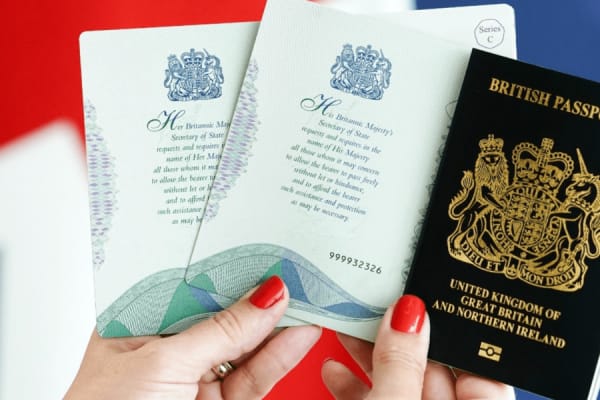
List A documents, such as a British or Irish passport or documentation proving Settled status, grant a permanent right to work and require no repeated checks. List B documents, which include time-limited UK visas (such as the Skilled Worker Visa or Student Visa) demonstrated via a Biometric Residence Permit (BRP) or eVisa status, require repeated checks by the employer.
International candidates who are applying for visa-sponsored roles, such as the Skilled Worker Visa, should be familiar with the required documentation, including their Certificate of Sponsorship reference number, proof of English knowledge, and potentially evidence of sufficient personal savings or a tuberculosis test result. Proactively demonstrating knowledge of these requirements, combined with confident discussion of their current status and eligibility, is a powerful tool for converting interest into employment.
Table 3: Essential Right to Work (RtW) Documents for UK Interviews (Recommended)
|
Category |
List A (Permanent RtW) |
List B (Time-Limited RtW) |
Purpose |
|
Primary ID |
Current British/Irish Passport, Proof of Settled Status (e.g., EU/EEA). |
Valid non-UK passport with BRP or time-limited visa vignette. |
Proving identity and nationality. |
|
Digital Status |
eVisa status (if applicable). |
eVisa status (if applicable). |
Confirmation of digital immigration record (increasingly common). |
|
Address Proof |
Bank statement or utility bill (dated within last 6 months). |
Current Council Tax statement or recent HMRC notification (not P45/P60). |
Verification of UK residency. |
4.3. Sector-Specific Attire Guidance
The UK’s professional dress code varies significantly by sector. The traditional expectation of a dark suit (dark grey or dark blue) is still strongly maintained in formal environments such as the City (finance, banking, and law). In these sectors, even white, blue, or pink shirts should be paired with sober ties, and women often mirror this formal, dark attire. Cufflinks are also common in senior City circles.
However, many contemporary organizations, particularly in technology, media, and creative industries, have adopted a smart casual dress code, even for client meetings. When a workplace has no explicit dress code, the professional standard is to observe the workplace culture and dress slightly more formally than the average employee. Dressing well is an integral part of demonstrating respect for the interview process and the company’s traditions.
5. Conclusion and Actionable Checklist
5.1. Conclusion: Your Next Steps to UK Job Interview Success
Preparation for a UK job interview in 2025 demands a holistic strategy. Successful candidates demonstrate not only technical capability but also a profound awareness of the company’s commercial standing and an active competence in cultural and communication nuances. The shift toward blended interviewing, combining the structured, evidence-based approach of Competency (STAR) questions with the aptitude and motivation assessment of Strength-Based questions, necessitates tailored preparation that addresses both past performance and future potential.
For all job seekers, especially international candidates, strategic preparation includes proactively managing visa communication and ensuring cultural fluency, such as understanding the subtleties of indirect British feedback. By integrating deep research with meticulous logistical and technical readiness, candidates position themselves for success. We highly recommend utilizing the resources available at UK Job Hunters to identify targeted, visa-friendly roles and continue your job search journey with confidence.
5.2. Final Preparation Checklist
This checklist summarises the critical actions required for comprehensive UK job interview preparation:
|
Preparation Step |
Action Item |
|
Deep Research |
Researched company’s values, ethical standing, and recent market challenges. |
|
Commercial Awareness |
Prepared examples demonstrating commercial thinking and understanding of industry news. |
|
Cultural Fluency |
Understood the importance of punctuality and practiced concise, polite communication. |
|
Application Alignment |
Reviewed CV/Application and tailored experiences to job description; identified key transferable skills. |
|
Visa Confidence |
If international, prepared to proactively discuss visa status and RtW documentation confidently. |
|
STAR Mastery |
Prepared 4–6 diverse examples structured exclusively using the STAR method (focused on "I"). |
|
Strength Readiness |
Identified personal strengths (what energizes one) and prepared examples showing passion/motivation. |
|
Logistics |
Determined appropriate attire based on sector (formal vs. smart casual). |
|
Virtual Setup |
Tested microphone, camera, lighting, and internet connection, and prepared a distraction-free background. |
|
Documentation |
Gathered original documents (Photo ID, Proof of Address, Qualifications, RtW evidence) for the interview day. |
|
Follow-Up Plan |
Prepared a short thank-you email template and confirmed the hiring timeline with the interviewer. |
|
Contingency |
Planned to continue applying for roles via UK Job Hunters until a formal offer is signed. |
Take the Next Step
Applying for the Skilled Worker Visa can be complex, but you do not have to do it alone. Our team at UK Job Hunters helps applicants with job search tools, CV support, and guidance on Skilled Worker Visa requirements.
Your journey to a successful UK career starts now!


Comments (0)
Join the discussion
Want to join the discussion?
Please login to leave a comment
Login to CommentNo comments yet
Be the first to share your thoughts!